

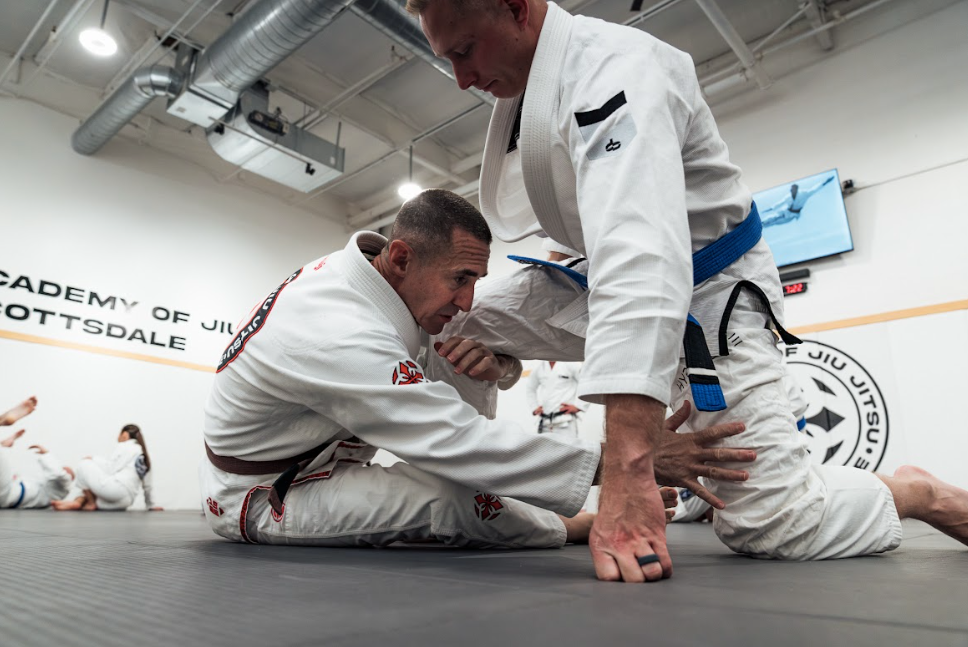
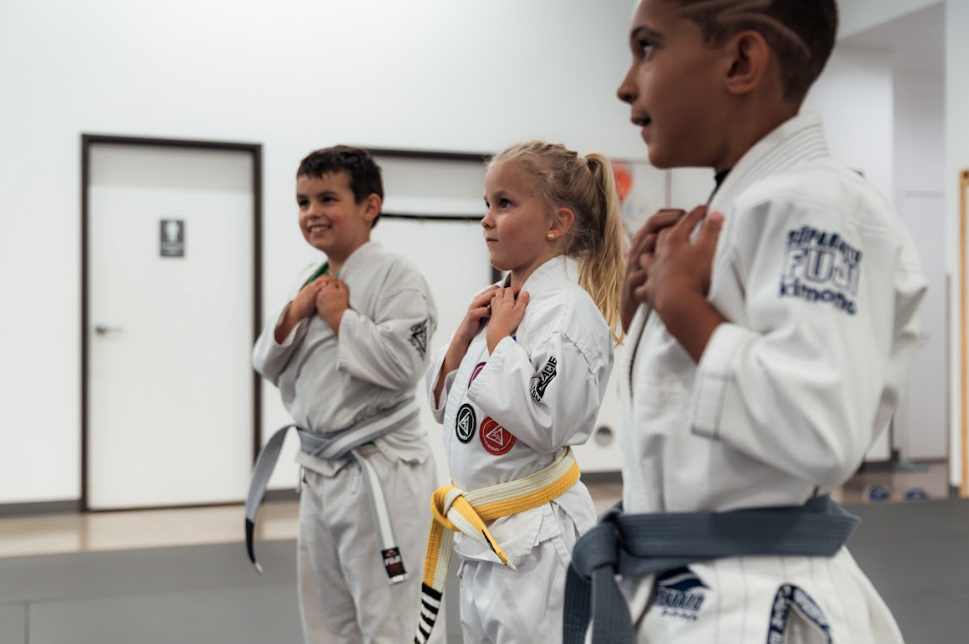
Build confidence and resilience with Youth Jiu-Jitsu in Scottsdale, AZ. Safe, structured classes for kids and teens at Academy of Jiu-Jitsu Scottsdale.
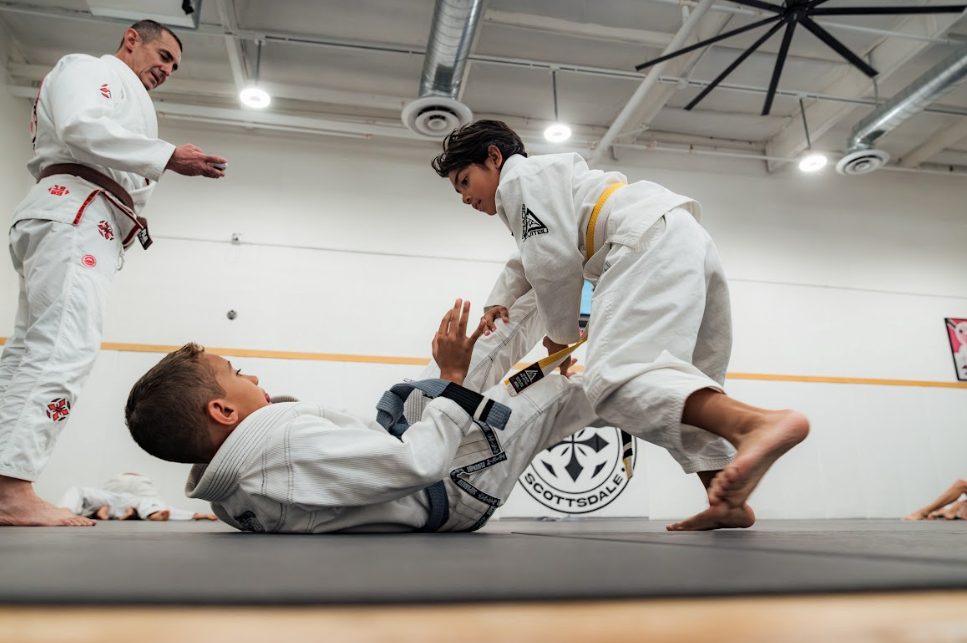
Youth Jiu-Jitsu in Scottsdale, AZ that builds focus, discipline, confidence, and self-defense skills in a structured, kid-friendly program.
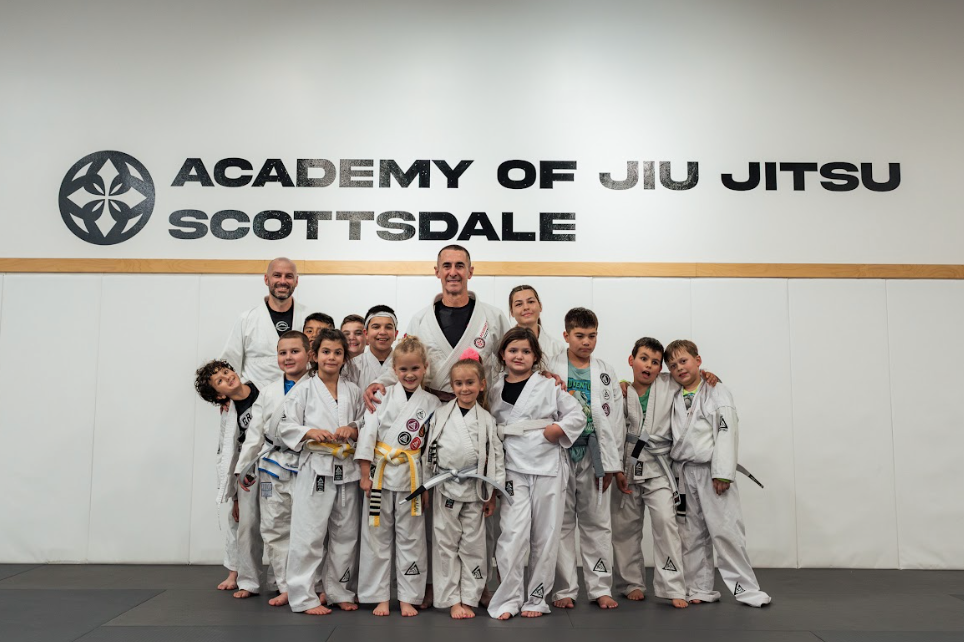
Youth Jiu-Jitsu in Scottsdale, AZ builds confidence, discipline, and leadership through structured training at Academy of Jiu-Jitsu Scottsdale.
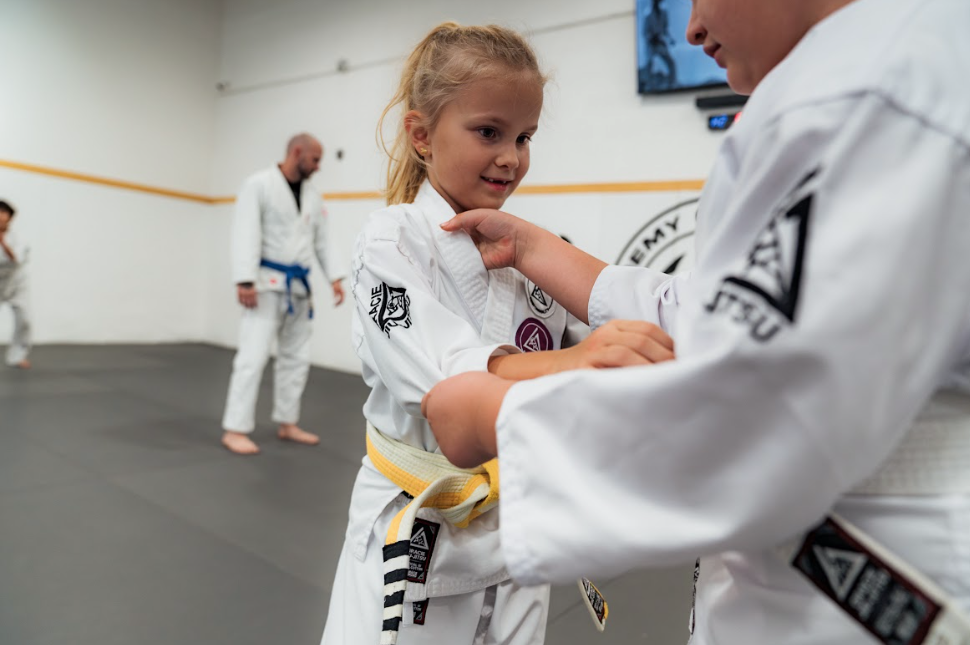
Youth Jiu-Jitsu turns “I can’t” into “I’ve got this” through small wins your child can actually feel. When you’re looking into Youth Jiu-Jitsu, chances are you’re not just hunting for an activity to fill a time slot after school. You’re looking for something that helps your child stand taller, speak up sooner, and feel steady inside even when life gets uncomfortable. We work with kids who are shy, kids who are loud, kids who have been picked on, and kids who simply need a place where effort counts. Youth Jiu-Jitsu is one of the most practical ways we know to build self-esteem because the progress is visible, measurable, and earned one repetition at a time. In Scottsdale, busy family schedules are real. Homework, practices, traffic, dinner, and trying to keep screen time under control can feel like a whole extra job. Our approach is to make training structured, age-appropriate, and consistent, so confidence becomes part of your child’s routine, not just a “good day” feeling. Why bullying hits self-esteem so hard (and why technique helps) Bullying is rarely only about the moment itself. It changes how a child expects the world to treat them. Kids start scanning for danger, second-guessing what they say, and avoiding situations that used to feel normal. Even when adults step in, the internal story can stick around: “I’m not safe,” or “I’m not strong enough.” Youth Jiu-Jitsu helps rewrite that story through action. Not through pep talks. Not through pretending everything is fine. Through learning what to do with your hands, your posture, your breathing, your decisions, and your boundaries. We keep the focus on what a child can control: - How to stay balanced - How to move with purpose - How to problem-solve under pressure - How to respond instead of panic Confidence built this way tends to hold up better, because it’s tied to ability and practice, not just mood. The confidence engine: how Youth Jiu-Jitsu builds real self-esteem Self-esteem sounds abstract until you see how it forms. In Youth Jiu-Jitsu, we build it the same way you build skill in anything else: clear goals, repetition, feedback, and real progress. A child learns a position, practices it, improves it, and eventually teaches parts of it back through partnering and leadership on the mat. Here are a few reasons this works so consistently. Progress is concrete, not vague Kids don’t have to wonder if they’re improving. They feel it. The techniques either work better than last week or they don’t, and we adjust. That clarity is strangely comforting for children who feel uncertain in social situations. Over time, the smallest milestones matter a lot: a clean breakfall, better balance, remembering a sequence, staying calm in a tough position. These are quiet wins, but they stack. Effort gets rewarded, even if your child isn’t “sporty” Some kids love team sports, and some kids… just don’t. Youth Jiu-Jitsu gives a different pathway: you can be introverted, thoughtful, or a little nervous and still thrive. You don’t need to be the biggest or the fastest. You need to show up, listen, and keep trying. We see shy kids often do extremely well because the environment is structured and the goals are clear. There’s less social guessing. Kids learn to stay calm in controlled discomfort A big part of confidence is learning that “uncomfortable” doesn’t mean “unsafe.” In Jiu-Jitsu, kids practice being in challenging positions with rules, coaching, and supervision. That experience teaches emotional regulation in a way lectures usually can’t. Breathing, resetting, trying again, and not spiraling when something goes wrong are life skills. We treat them that way. Evidence matters: what research suggests about martial arts and self-esteem Parents deserve more than marketing slogans. Youth martial arts training has been consistently linked with improvements in confidence, discipline, and self-esteem, and a 2024 study specifically reported positive effects on self-esteem and discipline in youth martial arts participants. That lines up with what we see week after week: when kids train in a structured program that emphasizes respect, boundaries, and progressive learning, their behavior and self-perception often improve right alongside skill. It’s important to be realistic, too. Training is not a magic switch. But it is a reliable system. When your child practices focused effort, receives coaching, and experiences earned progress, the internal changes tend to follow. Anti-bullying skills that go beyond “fighting” When parents search for Youth Jiu-Jitsu in Scottsdale, AZ, “bullying” is often the unspoken reason. We take that seriously, and we also keep it grounded. Our goal is not to turn kids into aggressive people. Our goal is to help your child become harder to intimidate and better at handling pressure. What your child learns that helps in real situations We teach skills that translate directly to school hallways, playground dynamics, and awkward social moments: - Posture and presence: how to stand and move like someone who belongs there - Boundary setting: using voice and body language to create space - Grip awareness and control: understanding how to address common grabs safely - Escapes and positioning: how to get out from under someone and return to safety - Composure: learning to breathe and think when adrenaline shows up Jiu-Jitsu in Scottsdale, AZ should feel empowering, not chaotic. We keep training controlled and coached so kids learn confidence without learning recklessness. Is Youth Jiu-Jitsu safe for kids? Safety is not an afterthought for us. It’s built into how we run class. We manage safety through age-appropriate curriculum, supervision, and a training culture that prioritizes control. Kids learn how to fall safely, how to move with partners, and how to stop immediately when instructed. We also match partners thoughtfully so newer students aren’t thrown into situations that feel overwhelming. Youth Jiu-Jitsu is also often appealing to families who want self-defense without relying on striking. Instead of focusing on punches and kicks, much of Jiu-Jitsu centers on control, balance, and escapes. For many parents, that feels like a better fit for childhood development and for a school environment. Age groups, maturity levels, and why the right class matters Kids develop fast, but not evenly. A child might be tall for their age yet emotionally young, or physically small but unusually focused. That’s why we organize Youth Jiu-Jitsu with age and maturity in mind so your child can learn alongside peers who are working through similar challenges. In Scottsdale, many families look for programs that start around ages 4 to 5 and continue into the teen years. We’re set up to support that progression with separate class tracks, so students aren’t stuck in a one-size-fits-all room. A practical way to think about readiness If your child can do most of these, they’re often ready to start: 1. Follow simple directions in a group 2. Keep hands to themselves when asked 3. Try an activity even when it feels new 4. Handle gentle partnering and taking turns 5. Stay on task for short bursts with coaching If your child is not there yet, that’s not a “no.” It just means we start slower and focus on structure, listening skills, and basic movement patterns. How often should your child train? Most families start with two classes per week and build from there. Consistency matters more than intensity, especially in the beginning. Training twice weekly usually gives kids enough repetition to remember what they learned, feel improvement, and develop comfort with the environment. If your child loves it (and many do), adding a third day can accelerate progress. If your schedule is tight, one day per week can still be beneficial, but the confidence growth tends to be slower because repetition is the engine. Our class schedule is designed with Scottsdale school routines in mind, so after-school and early evening times are typically the easiest place to anchor training. What to expect in the first class First classes can feel like a big step for kids, especially if confidence is already shaky. We keep onboarding simple and supportive so your child doesn’t feel singled out or “behind.” A typical first experience includes a quick orientation, a warm-up that looks like athletic movement and coordination games, and then technique practice with clear coaching. We introduce basic positions and movements in a way that feels doable, even if your child is brand-new. For what to wear, most kids start with comfortable athletic clothes. If your child has a gi already, great. If not, you can begin without overthinking it and we’ll guide you from there. Why shy kids often thrive on our mats Shyness is not a weakness, but it can make school and social stress feel heavier. Youth Jiu-Jitsu gives shy kids a place to practice being assertive without having to “become someone else.” We create structure, predictable routines, and a respectful environment. Kids learn how to partner up, how to communicate clearly, and how to handle brief moments of pressure while staying calm. Over time, shy students often start speaking louder, making eye contact, and taking healthy risks, like attempting a technique in front of the group. It’s a steady kind of bravery. Not loud. Not performative. Just real. Frequently asked questions about Youth Jiu-Jitsu in Scottsdale, AZ What age can my child start? Many kids start around 4 to 5, depending on focus and maturity. Our youth classes are organized to fit different age bands so kids can learn at the right pace. Will this help with confidence and bullying? Youth Jiu-Jitsu often supports confidence because kids build real competence, composure, and boundary-setting skills. We avoid promising instant results, but consistent training tends to create meaningful change. Is this different from MMA or wrestling? Yes. Jiu-Jitsu focuses heavily on leverage, control, and grappling strategy, with an emphasis on safety and structured learning for kids. Our youth curriculum stays age-appropriate and coached. Do beginners need experience? No. Many students start with zero background. We teach foundations first and support your child through the learning curve. How long before we notice changes? Some families notice small shifts within a few weeks, like better posture or improved listening. Deeper confidence and discipline typically show up over months of consistent training. Can this fit around school and other activities? Yes. Scottsdale families are busy, so we keep multiple weekly options and after-school-friendly times available on the class schedule page. Take the Next Step Building unshakable self-esteem rarely comes from telling a child to “be confident.” It comes from giving your child a place to practice courage in small, safe, repeatable ways, until bravery starts to feel normal. That’s exactly what Youth Jiu-Jitsu is designed to do when it’s taught with structure, patience, and high standards. If you want a supportive program that treats confidence, discipline, and practical self-defense as learnable skills, we’d love to help you get started at Academy of Jiu-Jitsu Scottsdale . You can explore the class schedule, see how our youth tracks work, and take a first class without pressure. Build stronger fundamentals and sharpen your technique through Jiu-Jitsu training at Academy of Jiu-Jitsu Scottsdale.

Looking for Jiu-Jitsu after 50 in Scottsdale? Discover a safe, supportive approach to training at Academy of Jiu-Jitsu Scottsdale.
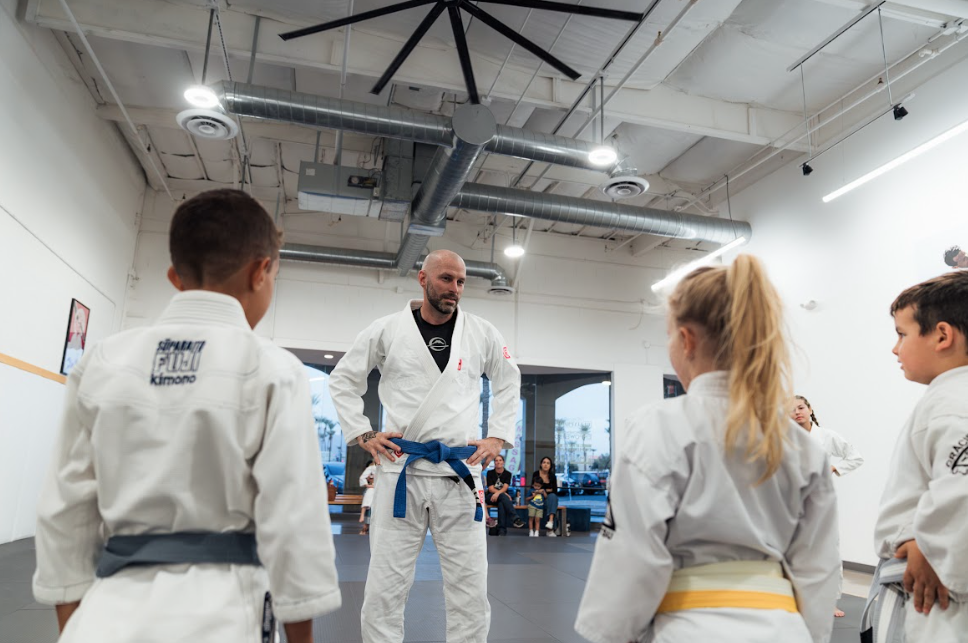
Discover the Warrior Code at Academy of Jiu-Jitsu Scottsdale and see how kids build confidence, discipline, respect, and character.
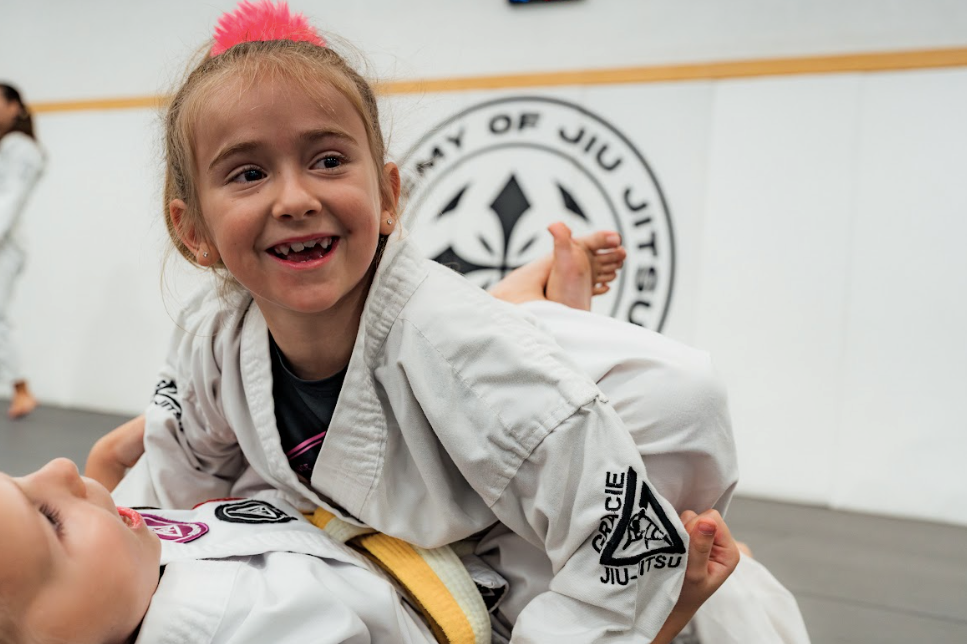
Youth Jiu-Jitsu in Scottsdale, AZ builds confidence and friendships for life with safe, structured training at Academy of Jiu-Jitsu Scottsdale.
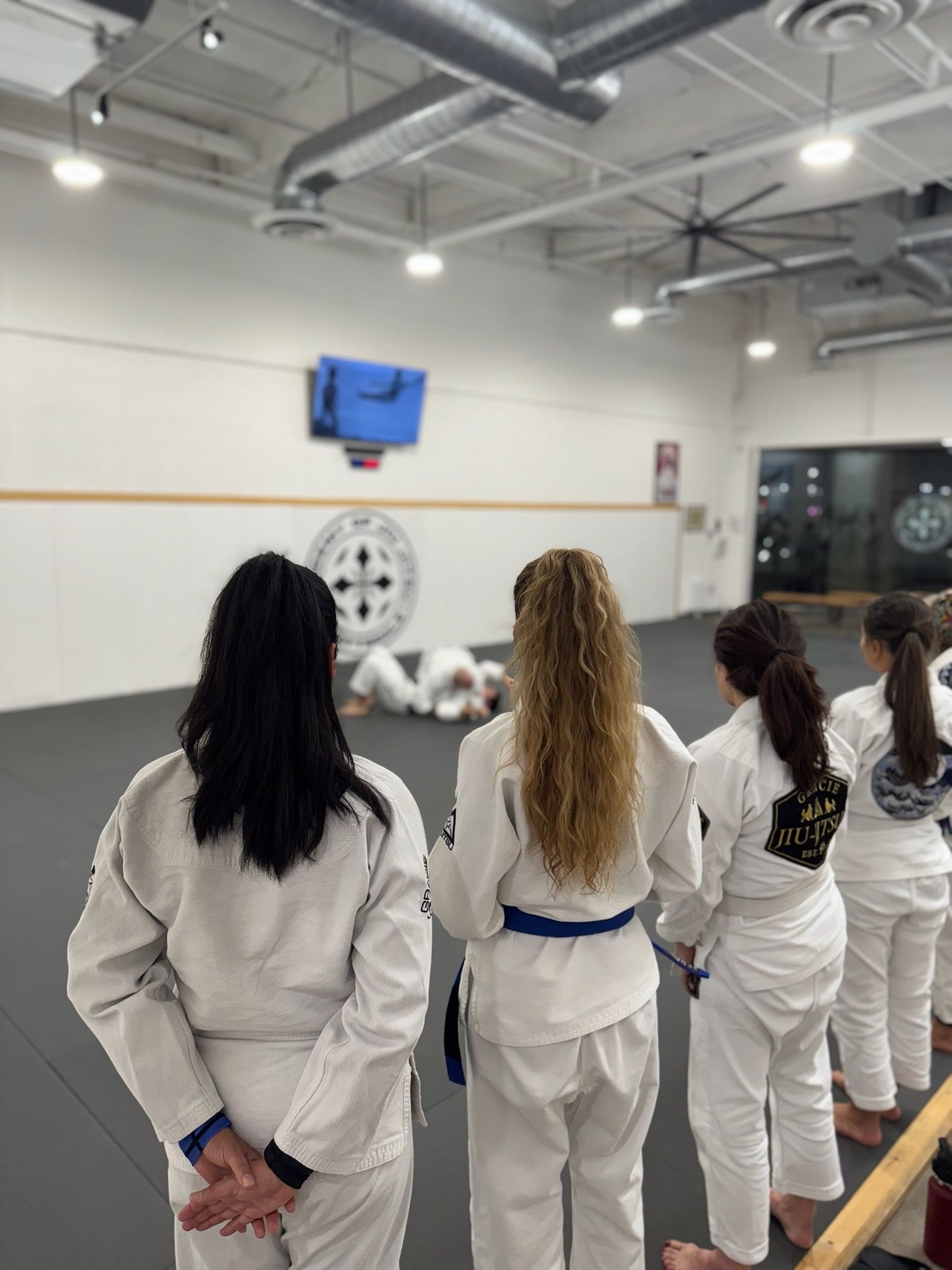
Discover why Scottsdale women choose Jiu-Jitsu for self-defense, confidence, and practical skills. Train at Academy of Jiu-Jitsu Scottsdale today.
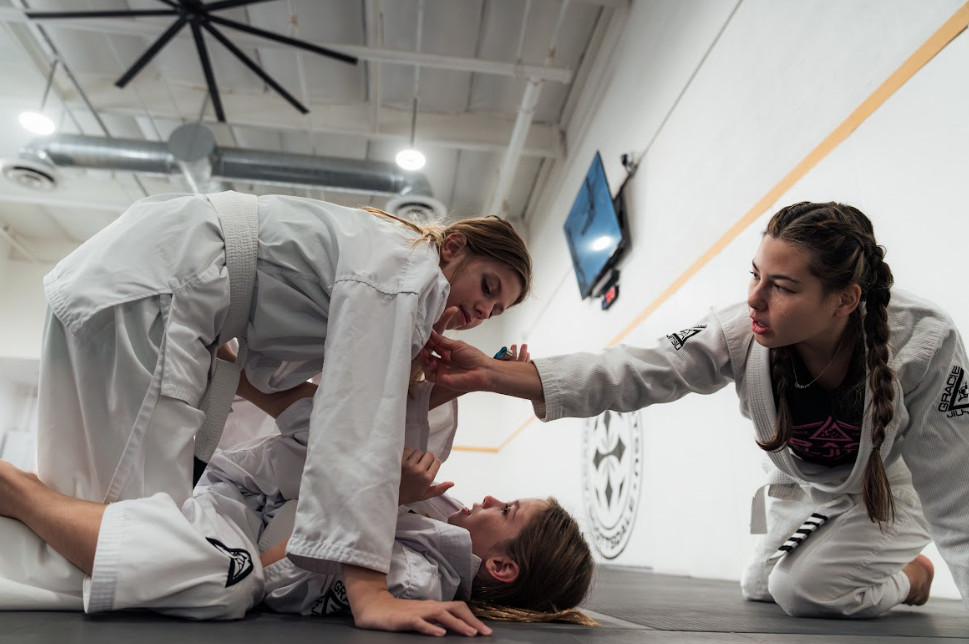
Youth Jiu-Jitsu in Scottsdale, AZ that builds confidence through fun, structured classes for ages 5 to 13 at Academy of Jiu-Jitsu Scottsdale.
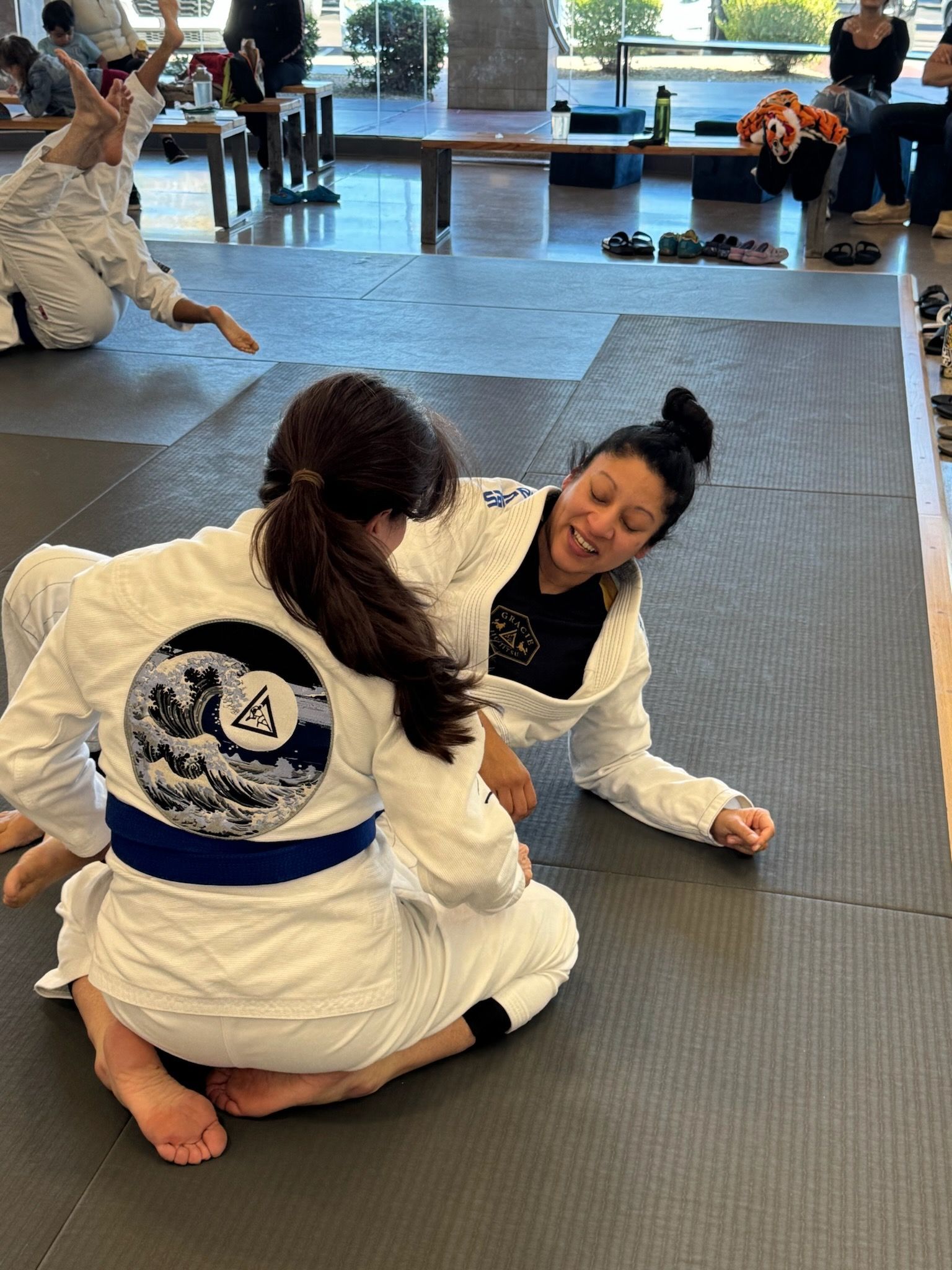
Build Jiu-Jitsu flow, mindset, and skills in Scottsdale, AZ with a 7-day free trial at Academy of Jiu-Jitsu Scottsdale.